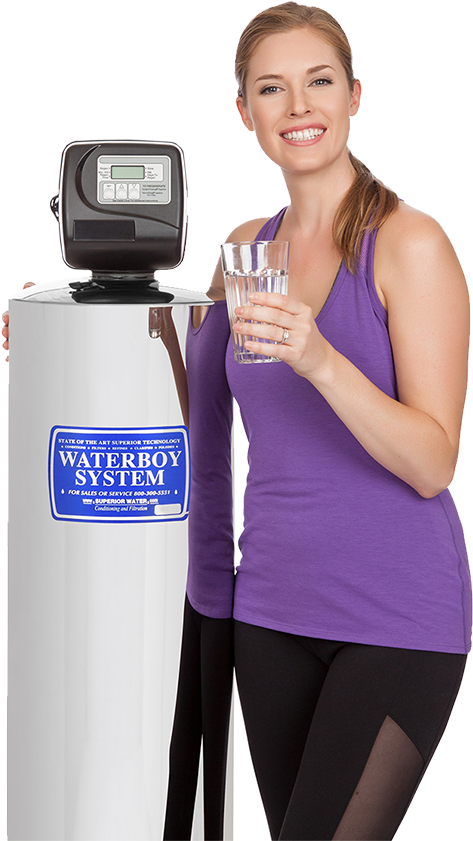
A Waterboy treated water system in your Southern California home can provide the cleanest, freshest, and healthiest water possible. Learn more about a couple of the leading whole-home water filtration options below and see how they compare.
Waterboy Systems vs. Salt-Based Water Softeners
Waterboy Whole-Home Water Filtration System

How the Waterboy Can Benefit Your Southern California Home:
- Reduces bad tastes and odors emanating from faucets, bathtubs, and showers
- Minimizes hard water problems without chemicals
- Requires no maintenance
- Leaves essential minerals in water and gives it a better taste
- Leaves skin and hair feeling refreshed and clean
- Calls for no reverse osmosis
- No inconvenient cartridge filter changes
- Cleans itself automatically each week while only using about as much water as a washing machine cleaning a load of clothes
- Sends discharged water toward grass and vegetation without any salt in it, resulting in less wasted water overall
- Saves money on buying bottled water and makes clean drinking water more easily accessible
- Provides peace of mind for you and your family
- Makes you feel more comfortable serving water to guests
- Improves your home’s value, since this type of treated water system is attractive to many buyers
Salt-Based Water Softener System
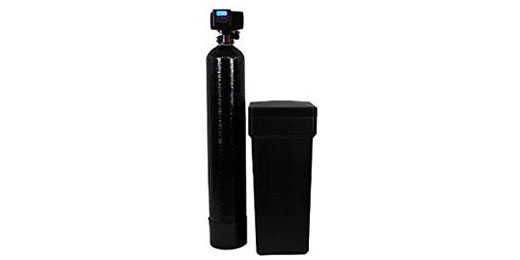
Why a Salt-Based Water Softener Fails to Compare to the Waterboy:
- Relies on outdated technology that dates back to the 1930s and uses salt or potassium for regeneration
- Doesn’t actually filter water like a Waterboy whole-house system
- Requires the constant addition of salt or potassium
- Removes essential minerals that can impact the taste of drinking water
- Leaves a home’s water feeling slippery and/or slimy, with some homeowners saying, “It feels like I can’t wash soap off!”
- Calls for reverse osmosis to take place under sinks to remove salt from drinking water, since you shouldn’t drink from a water softener directly
- Wastes up to 5 gallons of water for every 1 gallon flowing from a faucet due to reverse osmosis, causing up to 150 gallons to be wasted each week
- Forces you to change filters frequently
- Prevents you from using discharged water on grass or vegetation, and leads to your home potentially polluting local groundwater
- Increases your home’s annual maintenance and repair costs
- Increases grocery costs, with some homeowners needing to purchase bottled water for drinking and cooking
After comparing the Waterboy water filter vs. softener options that rely on salt to perform filtration, it’s easy to see why so many homeowners love Waterboy’s cutting-edge water filter technology.
Superior Water’s Commitment to Helping Southern California Homeowners Enjoy Clean Filtered Water
Unfortunately, millions of homes in Southern California have hard water. Drinking water that hasn’t moved through a treated water system in San Diego, for example, has an average water hardness of 272 to 284 ppm. To put this in perspective, this is well above the national average of 60 to 80 ppm.
At Superior Water, we’re fully dedicated to helping homeowners throughout Southern California access cleaner, healthier water. We can set you up with our Waterboy whole-home water filtration system and take the following steps to give you a better understanding of its many benefits.
Supplying Important Knowledge on the Waterboy Treated Water System
Our goal at Superior Water is to keep you informed and up to date on the latest technological advancements in whole-house water filtration. Furthermore, we always strive to deliver essential information in a concise, easy-to-read format, without drilling down into too many details to avoid confusion.
If, however, you’re interested in taking a deep dive into any of the topics we discuss here, we routinely post links to other websites that offer insights into issues such as why you should choose a Waterboy water filter vs. reverse osmosis or other systems.
Addressing California’s Pressing Water Problems
It’s no secret that Californians are currently facing a long list of water-related problems. A lack of water during droughts, depleted underground aquifers causing large areas of land to slowly sink, and, of course, hard water are just a few of these issues that aren’t going to disappear anytime soon.
At Superior Water, we can’t solve all these problems, but we can speak with you about how a Waterboy whole-home water filtration system can help you combat a major issue like excessive hard water entering your home.
Dealing with Hard Water in Your Home
The local water supply in Southern California is considered very hard, meaning it’s rich in calcium and magnesium. Both these minerals are actually good for your health, as they can work to prevent health conditions like heart disease, osteoporosis, and joint inflammation.
Unfortunately, the excess can also cause health complications and damage your home by allowing limescale to build up in plumbing pipes and by staining everything from bathroom fixtures to glass shower doors. We can teach you more about the health benefits of calcium and magnesium while also warning you about their possible dangers.
Cautioning Homeowners Against Installing Water Softeners
For a long time, Southern California homeowners invested thousands of dollars in water softeners, believing they were the key to minimizing hard water in their homes. But when you step back and take a look at how a Waterboy treated water system stacks up against a water softener, there really is no comparison.
Water softeners were once state-of-the-art devices, but they’re no longer equipped to make hard water problems go away for good for homeowners.
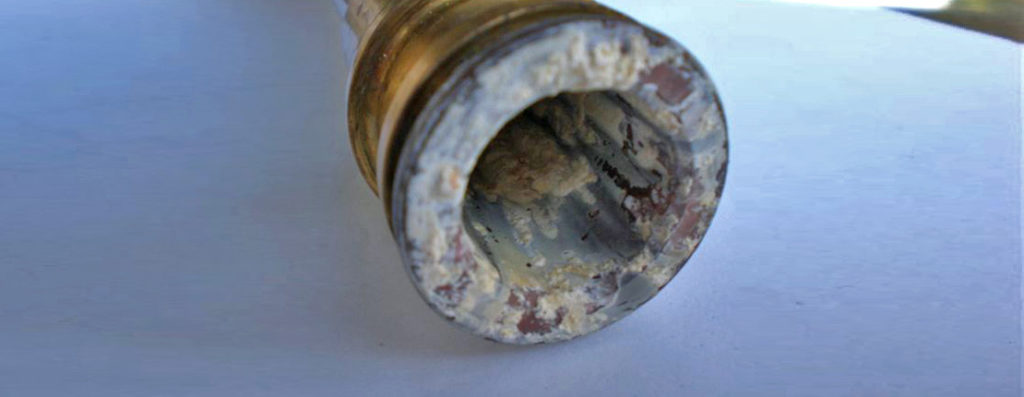
What Problems Are Created by Water Softeners?
Water softening systems are extremely effective at removing minerals from the water entering Southern California homes. However, they don’t do as good a job of removing chemicals, pollutants, ammonia, and other harmful contaminants from this same water.
Additionally, you usually must install a reverse osmosis system to go along with a water softening unit for drinking water, since it isn’t advisable to drink water from a softener saturated with sodium or potassium chloride. And even then, reverse osmosis systems are often installed only under sinks to filter drinking water, so the problem of showering and bathing in water containing harmful chemicals will not be addressed.
Here are a few more problems caused by choosing a softener to filter water within a whole-house system.
An Overabundance of Minerals
The first problem caused by water softeners in Southern California homes is that they allow water that contains too much sodium or potassium chloride to reach those living in them. Many people end up brushing their teeth with or drinking softened water and dislike the taste, which forces them to add a filter to remove salt.
This helps improve the taste of this water, but we often overlook the effects of bathing in hard water and what its absorption can do to our bodies. The skin is the largest organ, and constantly exposing it to hard water can leave it feeling dried out and unhealthy. Hard water can also negatively affect your hair, nails, and more.
A Consistent Need for Maintenance
Water softeners must be regenerated regularly to remove excess minerals and maintain their water-softening capacity. This involves flushing them to remove sodium- or potassium-saturated water. You also need to get into the habit of changing the water filters in water softeners to keep them working properly.
These steps aren’t required with a Waterboy treated water system.
An Environmental Hazard
Flushing your water softening system is excellent for the system itself, but it isn’t so good for the environment.
During the regeneration cycle, water containing sodium or potassium is flushed into your sewer system and sent to nearby water treatment plants, which must work hard to treat it until it’s clean enough to be released back out into the world. When you pair this hard water with all the other wastewater exiting your home after you finish bathing, running your dishwasher and washing machine, and even just brushing your teeth, you can imagine what an environmental nightmare this can become.

What Environmental Problems Are Caused by Water Softeners?
Water with excess salt levels, also known as brine, being discharged into your local sewer system is a huge cause for concern. Water saturated with sodium or potassium can harm fish and other aquatic life. It can also impact crops irrigated with it and affect downstream users.
This explains why water treatment plants are subject to strict guidelines regarding the sodium and potassium levels allowed in the water they discharge. Even though reducing these levels is time-consuming, expensive, and can compound California’s water shortages, it must be addressed thoroughly to mitigate its risks.
It also explains why so many California communities are moving away from using whole-home water softening systems. Back in 2008, California Governor Arnold Schwarzenegger signed a bill giving cities the right to propose and implement bans on water softeners due to ongoing environmental concerns. Since then, more than two dozen communities have decided to outlaw water softeners, providing yet another reason to select a Waterboy treated water system over the alternatives.
Learn More About Water QualityOther Drawbacks Associated With Water Softeners
Still not convinced you should choose a Waterboy water filter vs. a softener? Before moving on, let’s point out a pair of other drawbacks that you will have to live with if you settle on a water softening system.
For starters, the sodium or potassium pellets used in a water softening system must be replaced continually. This burden will ultimately fall on you, as you’ll be required to replenish sodium or potassium as necessary. The good news is that salt can be purchased at the grocery store, but you will still need to take it home and pour it into your system’s tank.
This is a chore that many homeowners don’t want to do or, worse, cannot perform because of physical limitations. And while monthly services will come out to your home and do the work for you for a fee, the costs associated with hiring a company to help can really add up.
Another drawback of installing a water softener in your home is that you will need to install reverse osmosis water filtration units to make the water clean enough to drink. You must place them under sinks and allow their membranes, which form a dense barrier, to prevent solutes, such as salt ions, from passing through.
This process works well, but it can take a real toll on a reverse osmosis system due to the high pressure applied to its highly concentrated membrane. It may result in you doing extensive maintenance and repairs to reverse osmosis systems over time.
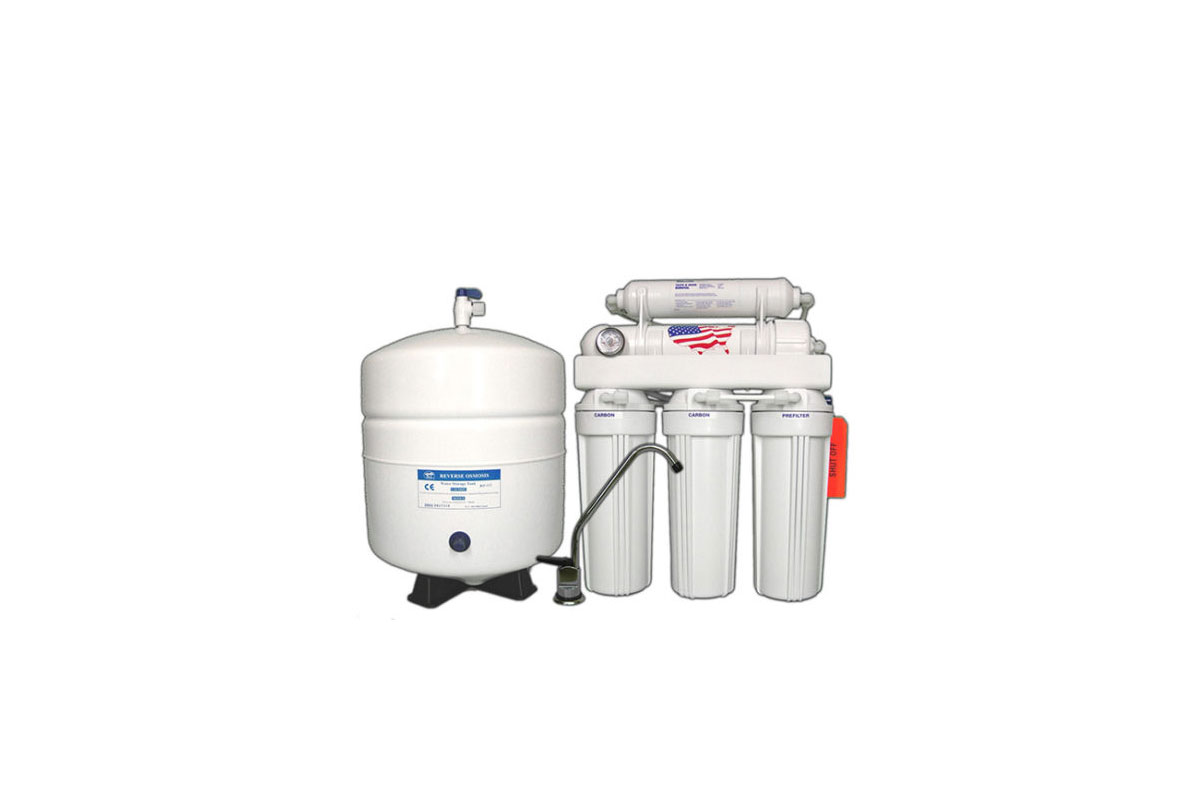
What Problems Are Created by Reverse Osmosis Water Filter Systems?
The regular maintenance of a reverse osmosis water filter system’s membrane and the routine replacement of its filter can both cost you a fortune. Replacing the filters alone might run you about $200 per year.
Relying on a softener-treated water system with reverse osmosis water filter systems can also waste a significant amount of water annually. For every 1 gallon of drinking water that they create, RO systems waste about 3 gallons.
This waste is one of the main reasons water softeners and RO systems are no longer considered optimal solutions for whole-home water filtration in California and other states dealing with rapidly declining water supplies. Using RO systems on their own is also a terrible idea, as it’s more cost-prohibitive and wastes more water in the long run.
Emphasizing an Important Point About Healthy Water
While there are a million and one reasons not to use a water softener and reverse osmosis water filtering system to clean your home’s H2O, we would argue that the ones involving your health are really the only ones that should matter.
Reducing the minerals found in the drinking water in many Southern California homes will do more than just prevent limescale from building up on your plumbing pipes and fixtures. Water with the right minerals can also be good for your bones, teeth, and blood.
Reviewing the Pros and Cons of Water Softeners and Reverse Osmosis Systems
Hopefully, you now understand why using the Waterboy treated water system in your home is a much better idea than using a water softener with reverse osmosis systems. If you still need some convincing, here are the pros and cons of using a regular salt-based water softener:
Pros:
- Reduces the minerals in your home’s water supply
Cons:
- Saturates your home’s water with too much sodium or potassium chloride
- Forces you to tackle regular maintenance and repairs, such as replacing filters and flushing a system
- Wastes a significant amount of water every day
- Causes environmental issues by contaminating groundwater, killing crops irrigated with it, and having a major impact on local aquatic life
Why the Waterboy Water Filtration System from Superior Water Is a Better Choice
The Waterboy whole-home water filtration and conditioning system from Superior Water addresses both the filtration of contaminants and hard water issues. More importantly, it takes care of these problems without using chemicals or requiring any monthly maintenance. It also doesn’t waste water or put contaminated water down drains, but instead sends it to our water treatment plants and local waterways.
How the Waterboy Keeps a Home’s Water Clean
The Waterboy uses granular activated carbon, quartz silica, and KDF (copper and zinc) to filter chlorine, chloramines, ammonia, dirt, sand, chemicals, pesticides, and heavy metals from a home’s water supply. You deserve to have fresh, clean, delicious-tasting water flowing from every tap in your home, and installing the Waterboy will give you the treated water system you need.
How Does the Waterboy Work?How the Waterboy Treats Hard Water
To address the hard water issues homeowners frequently face in San Diego and many other Southern California cities, the Waterboy features a module used in roughly 400,000 industrial applications to remove limescale buildup from boilers and cooling towers.
The minerals in hard water have both positive and negative charges. The positive charges in one mineral are attracted to the negative charges on other molecules and bind to them, causing the molecules to clump together in tight spaces. This is precisely what happens when they move through plumbing pipes and appliances, causing limescale buildup and eventually doing serious damage.
The module installed in every Waterboy whole-home water filtration system uses a high-pressure, magnetized force to induce reverse polarization in minerals. Instead of being attracted to each other and to pipes and appliances, these molecules will repel one another and remain suspended in water until they’re flushed away.
Because of this process, the Waterboy is often referred to as a saltless or magnetic water softener in many reviews and comparisons, even though it does not remove minerals from water.
Find Out About Our Commercial InstallationsHow the Waterboy Benefits Your Home
Installing a Waterboy treated water system in your home offers many benefits. For instance, it will help get your dishes cleaner than ever before and make the soap you use in the shower more effective.
Still, the biggest benefit to you is that minerals will no longer stick to plumbing pipes, bathroom fixtures, and other appliances. At the same time, your household will continue to receive a steady supply of these minerals simply by drinking water and bathing. You will experience water the way nature intended it to be.
How to Maintain the Waterboy Whole-Home Water Filter
Another great thing about the Waterboy system is that it requires no outside maintenance for at least 10 to 12 years in most cases, depending on its usage. A few times every month, the Waterboy will conduct self-maintenance by back flushing, which regrades the media and flushes out harmful contaminants.
The water used during back flushes is drained into either your yard or a flowerbed, ensuring it isn’t wasted. Trees, flowers, and grass can all flourish when watered by the Waterboy.
Sharing a Few Extra Facts About Minerals and Water Softeners
Some people mistakenly think that minerals are contaminants and bad for your health. In reality, minerals are not considered contaminants, as they improve the taste of water and help give you a healthier pH levels when you drink water from your home’s taps.
Contrary to popular belief, installing water softeners isn’t the only effective way for homeowners in Southern California to treat minerals in their water. Non-chemical water conditioning systems are more eco-friendly and take care of minerals without relying on salt and other chemicals.
Water softeners don’t filter anything out of water like a filter would. Instead, they exchange sodium for minerals to create “soft” water. People don’t always like the feeling of soft water since it feels slimy and like you can’t rinse soap off your hands or other body parts.
It’s also worth mentioning that hard water doesn’t ruin clothes as much as having chlorine in your home’s water. Our Waterboy treated water system can help keep your clothes soft and their colors bright. It can also prevent the environmental issues that water softeners can cause, since the brine from regeneration is salty and can kill fish and plant life.
Investing in a water softener alternative that uses organic products is a great option for those looking to make their home’s water cleaner and healthier. Trust Superior Water to install one today.
Have More Questions About the Waterboy? We Would Love to Help!
Find more information about the Waterboy treated water system here or on our FAQ page. If you have further questions or concerns, contact us to speak with one of our water quality specialists today!

Email Us:
admin@superiorwater.com

Call Us:
800 WATERBOY or 800-300-5551